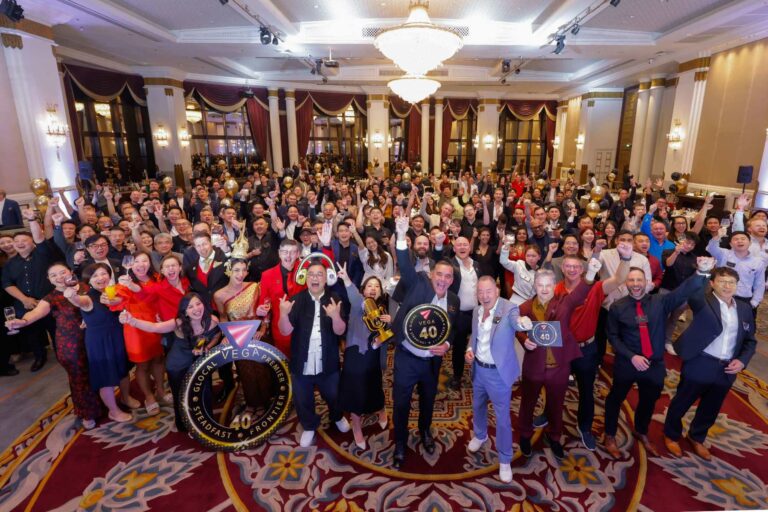
Jakarta, Indonesia – January 22, 2026 – The modern workplace is undergoing a profound transformation, driven by the convergence of human needs, rapid technological advancements, and evolving physical spaces. A recent panel discussion at the VEGA Indonesia Event discussed the topic of” The best practices of successful workplace space. ” The panel brought together a diverse group of experts, including Faisal Rachmadianto, Head of IT at Mubadala Energy, Khalif Mahendra, Project Director at Leads Property, Adrian Lim, Managing Director at iHD, and Chandra Herawan, Collaboration Specialist at Cisco—representing end-users, corporate real estate professionals, consultants, and manufacturers. The central theme was clear, the future of work is not about technology for technology’s sake but about creating environments where technology and design seamlessly serve the employee, boosting productivity, satisfaction, and ultimately, business success. The conversation underscored that in this new competitive landscape, the focus must shift from mere infrastructure to the holistic experience of the “client,” who is now the employee. The discussion identified three critical pillars for a successful human-centric workplace that drive competitive advantage: the human element, the role of technology, and the design of the space. 1. Prioritizing the Human Element From the end-user perspective, the most significant human factor is the demand for technology that is instant and invisible. Faisal Rachmadianto, Head of IT at Mubadala Energy, emphasizes, “Employees want a smartphone-like experience where meetings start instantly, without the hassle of calling IT or fumbling with cables.” He adds, “The modern workplace must accommodate a diverse workforce, including the next generation, who expect flexible workspaces and support for hybrid meetings. The challenge for organizations is to balance the varied technological needs of departments like human resources, marketing, and sales, while ensuring a consistent and equitable experience for every participant, whether on-site or remote.” […]